
Our Trusted
LOCAL Purveyors
MEAT SOURCES
Niman Ranch & Green Point
Farms, PA
Certified Angus Beef
PA Amish of Lancaster County
Alderfer Farm, Bucks County, PA
Hudson Valley Fois Gras | Duck
Products, Ferndale, NY
PRODUCE SOURCES
Campo Rosso, Berks County, PA
Irwin Farm, Kennett Square, PA
Madura Farm, Orange County, NY
Eckerton Hill Farm, Berks County, PA
Lucky Dog Organic, Hamden, NY
Cheese sources
Alemar Cheese Company, Minnesota
Jasper Hill Farm, Vermont
Consider Bardwell Farm, Vermont
Landmark Creamery, Wisconsin
Deep Mountain Maple, Glover, VT
Homestead Creamery, Charleston, SC
Seafood SOURCES
Kayla Marie Boat, Downeast Maine
Sea Dog Boat & Ms. Manya Boat, NJ
Saint Anthony Boat, Montauk, NY
W & T Seafood, New York, NY
Sustainability

Dear readers,
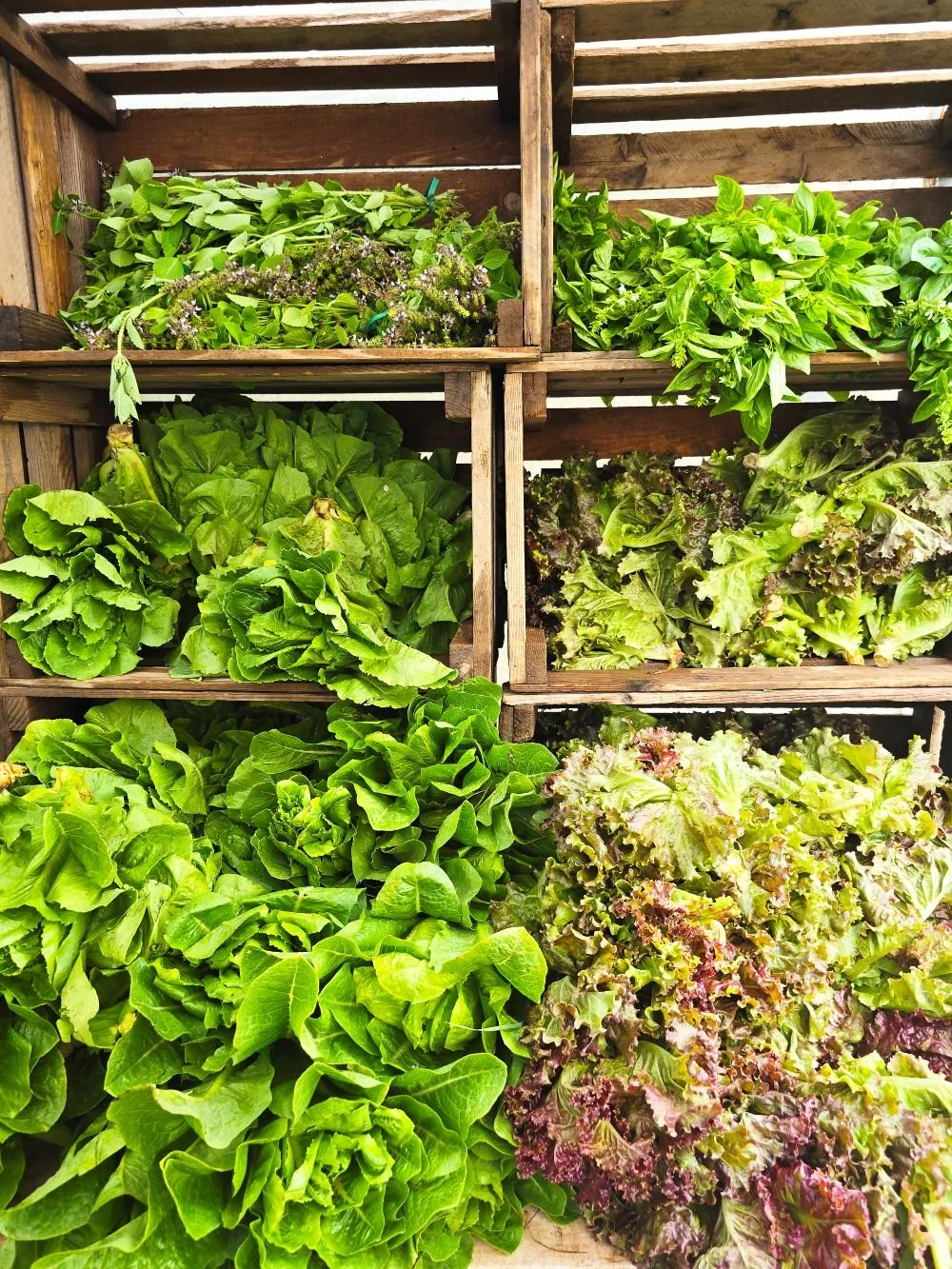
At BLACKBARN, sustainability is at the heart of everything we do. We are committed to sourcing local, seasonal ingredients from sustainable farms and minimizing our environmental impact. From eco-friendly materials to waste reduction and energy efficiency, we strive to make every aspect of our operations more environmentally responsible.
We are proud to lead by example in the movement toward a healthier planet. Thank you for supporting us on this journey and for being part of a movement that prioritizes the planet's health through conscious dining.
Sincerely,
John Doherty
Head Chef & Owner

Our Practices
We utilize state-of-the-art equipment to minimize our environmental impact. Our facilities are brightly lit with 100% LED bulbs, which provide a warm glow while significantly reducing energy consumption. We also install weather stripping to keep our spaces comfortable and energy-efficient, and we use high-efficiency sink nozzles that promote water conservation without compromising performance.
Additionally, we have established a comprehensive recycling program that ensures a wide range of materials, including plastics, glass, aluminum, paper, and cardboard, are recycled. By properly segregating and processing these materials, we actively reduce landfill waste and promote a circular economy within our operations.

FAQs
-
The ability of an ecosystem to maintain its normal patterns of nutrient cycling and biomass production after being subjected to damage caused by an ecological disturbance. The term resilience is a term that is sometimes used interchangeably with robustness to describe the ability of a system to continue functioning amid and recover from a disturbance (Encyclopedia Britannica, 2025).
-
Biodiversity refers to the variety of life on Earth, including the different plants, animals, fungi, and microorganisms, and the ecosystems they form. It’s important because healthy biodiversity supports everything we depend on, like food, water, medicine, and clean air. The more diverse life is, the stronger and more resilient our planet becomes, helping us face challenges like climate change and disease. Simply put, biodiversity is vital to maintaining a balanced and thriving world.
“Without biodiversity, there is no future for humanity”
- Professor David Macdonald, Oxford University -
Overfishing happens when fish are caught at a rate faster than they can reproduce, leaving insufficient mature fish to maintain a healthy population. This disrupts marine ecosystems and leads to the loss of ocean biodiversity. In 2025, the UN Food and Agriculture Organization revealed that fisheries are depleting 35.5% of over 2,000 monitored fish stocks at unsustainable rates (Marine Stewardship Council, 2024).
The consequences of overfishing are far-reaching: it threatens the stability of fish populations, harms marine habitats, and impacts the livelihoods of communities that depend on fishing. Sustainable practices are essential to protecting our oceans and ensuring a balanced, thriving marine environment for generations to come.